

Posts Tagged ‘Superannuation’
Top 10 Ways to Grow Your Wealth

Building wealth doesn’t happen overnight. It takes time, consistency and a strategy that evolves as your circumstances changes. Whether you’re starting out, growing your investments or preparing for retirement, the decisions you make today can influence your financial position in the years ahead. Here are 10 practical ways to build and grow your wealth over…
Read MoreSuperannuation vs ETFs After the CGT Changes: A Case Study

Could the new CGT rules change the way you invest outside super? For Australians building long-term wealth, the decision isn’t simply about choosing between superannuation and investing in ETFs. Each option offers different tax treatment, accessibility and investment considerations. With changes to Australia’s CGT system coming from 1 July 2027, it’s worth looking at how…
Read MoreEnd of Financial Year: Final Days Checklist and What to Do Next

With only a few days remaining until the 30th June, the focus naturally shifts from planning to action. At this stage, it’s not about exploring new strategies – it’s about ensuring that what needs to be done has actually been completed and processed in time. But while the deadline is important, it’s equally valuable to…
Read MoreThe 1 July Reset: What the New Financial Changes Mean

As the new financial year begins, the 1st July marks more than just a change in date – it represents a reset point for your financial strategy. From the 1st July, a number of changes come into effect across tax and superannuation. While none of these changes are dramatic on their own, together they reshape…
Read MoreEOFY: 7 Common Mistakes That Could Cost You Money
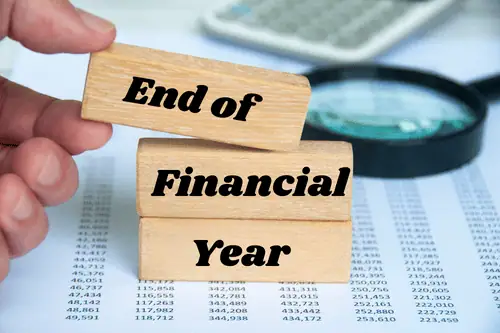
As 30 June approaches, many Australians rush to finalise their finances. While this can create opportunities, it also increases the risk of making poor decisions. Understanding the most EOFY common mistakes can help you avoid costly errors and make more informed financial choices. Here are 7 common EOFY mistakes – and how to avoid them.…
Read MoreEOFY Super Guide: Boost Your Super Before 30 June

There’s a quiet window each year, from March through to the 30th June, where a few well-timed decisions around your superannuation can make a meaningful difference to your long-term wealth. These aren’t major, life-changing moves. They’re small, deliberate actions – topping up a contribution, redirecting a bonus, or making a contribution for your spouse. On…
Read MoreBuilding Super as a Couple: Key Strategies

Superannuation is one of the largest assets most Australians will build over their lifetime – yet it’s held in individual accounts, not shared. For couples, this creates an interesting dynamic. While your life, finances, and goals are shared, your super is not. Over time, this often leads to one partner having significantly more super than…
Read MoreHow to Grow Your Super: Superannuation Strategies For Australians

Superannuation plays a central role in retirement planning for Australians. Over the course of your working life, the contributions made to your super fund, combined with long-term investment growth, can build a significant source of retirement income. While most people receive employer superannuation contributions, many are unaware that there are additional strategies that may help…
Read MoreEstate Planning for Blended Families in Australia: How to Protect Your Partner and Children

Blended families are increasingly common across Australia, yet many estate plans are still built for traditional family structures. Without careful planning, this can lead to unintended consequences, including children from previous relationships missing out on inheritance. If you are part of a blended family, understanding how wills, property ownership, superannuation death benefits and estate planning…
Read MoreProtecting Your Wealth from Scams in Australia: Common Fraud Tactics to Avoid

Australians continue to lose billions of dollars to scams each year. While overall scam reports have fallen, recent data suggests that the financial impact of each successful scam is increasing. What makes modern scams so concerning is not carelessness, it is their growing sophistication. From convincing investment platforms to bank impersonation calls and AI-generated voice…
Read More